

Chizami, Nagaland | EKHON: In the quiet hills of Chizami village in Nagaland’s Phek district, a powerful movement rooted in tradition, resilience, and collective wisdom is unfolding. Led by women and nurtured through community effort, the Community Seed Bank owned by the Chizami women society and supported by North East Network is a symbol of food sovereignty and cultural preservation.
Keneile Thopi, Community Mobiliser for North East Network, shares with EKHON that the Community Seed Bank is currently managed by eight dedicated women. Together, they are safeguarding an impressive collection of more than 150 traditional seed varieties, including 50 varieties of paddy, 7 types of maize, and 8 varieties of millets, beans, vegetables among many others. Each seed representing not just biodiversity, but also generations of indigenous knowledge and identity.
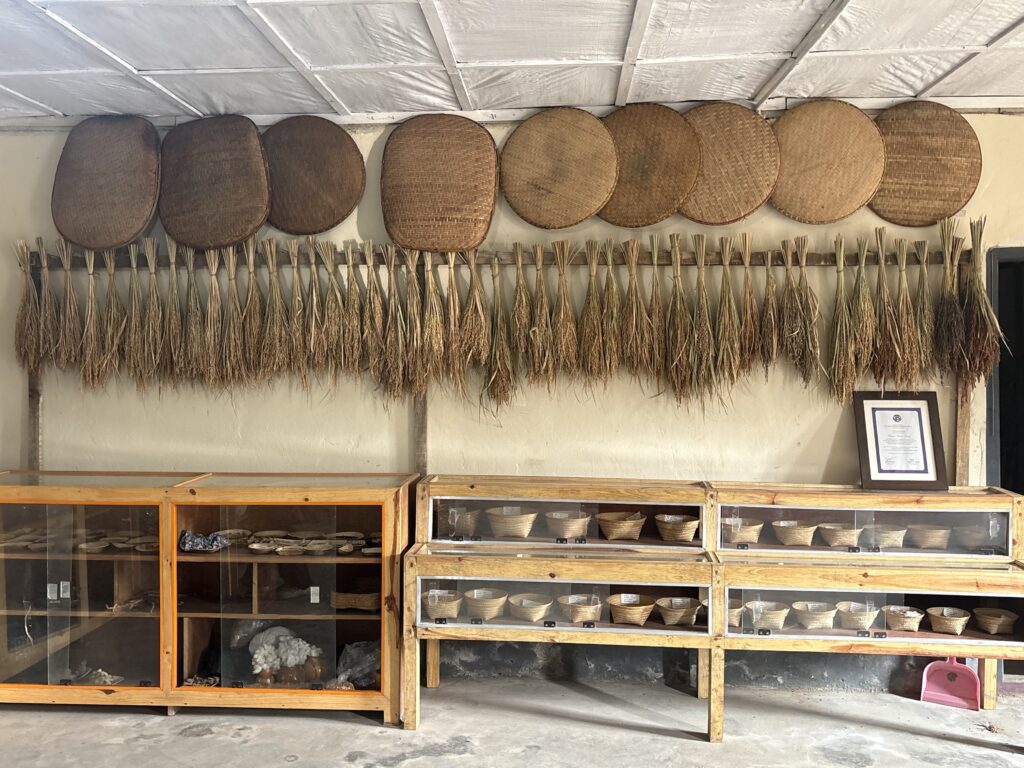
The seed bank began in 2018 with a simple approach, by collecting seeds directly from women farmers, going house to house and requesting to contribute. Over time, this has evolved into a sustainable community-driven system. Today, farmers borrow seeds, say a cup of paddy, and after harvest, they return double the quantity, selecting their best produce to contribute back to the bank. This cycle ensures that seed stocks not only sustain but grow stronger each year, maintaining both quality and availability for future farmers.
Today, what began as a conservation effort, has grown into a vibrant space for learning and knowledge exchange. The seed bank has become not merely a storage facility, it has become a living classroom for younger generation.
Thopi highlights a growing concern about the younger generations who are gradually losing touch with traditional agricultural practices. Youngsters today can no longer recognize seed varieties or understand sowing and harvesting cycles. The Seed Bank has become a hub where students and young people come to gather knowledge, especially during workshops and seminars, to learn directly from experienced farmers.
Here, knowledge is passed down not through textbooks, but through lived experience, through stories, demonstrations, and hands-on learning.
The initiative, Thopi said, was also shaped by a pressing realization from their exposure to various workshops and seminars. The women learned how outside companies were accessing and commercializing their traditional seeds. At the same time, many communities were beginning to lose their indigenous varieties, becoming increasingly dependent on commercially available seeds.
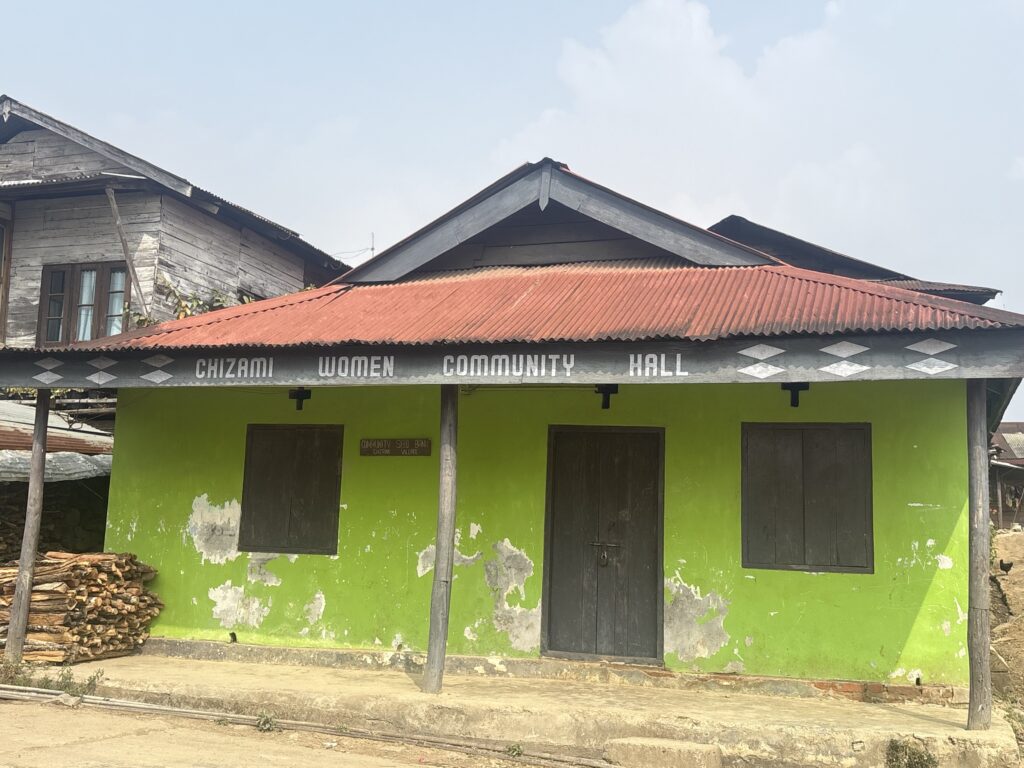
Determined not to let this happen in their own land, the women of Chizami took action. They recognized that preserving traditional seeds was not only about agriculture, but it was about protecting their identity, ensuring food security, and maintaining autonomy.
And as Thopi explains, in an era of climate uncertainty, traditional seeds have proven their strength. Unlike many modern varieties, indigenous seeds are naturally adapted to local conditions and are more resilient to environmental stress.
While government-distributed seeds are available, the community strongly believes in restoring and strengthening their own traditional varieties. For them, these seeds represent resilience, sustainability, and survival.
“If we have our own traditional seeds,” Thopi explains, “we have food security, ownership, and identity.”
Also, the preservation techniques used in the seed bank are simple, sustainable, and time-tested. Seeds are primarily sun-dried, an eco-friendly method passed down through generations. However, different seeds require different care. For instance, some are stored in airtight containers, while others, like maize and beans, are kept in open spaces to maintain quality. Each method reflects deep ecological understanding developed through years of lived experience.
Another important aspect of the seed storage is that each year, they are replaced with the best and most mature harvests to ensure vitality and continuity.
The Chizami Seed Bank is more than an agricultural initiative, it is a story of women’s leadership, community resilience, and cultural revival. By combining traditional knowledge with collective action, the women have created a sustainable model that addresses modern challenges while honoring the past.
As younger generations begin to reconnect with these practices, the seed bank is no longer just about saving seeds, but about nurturing knowledge, identity, and the future itself.
My introduction to Chizami village was through its renowned Chizami Weaves, but visiting here, it is the village’s Seed Bank that has truly captured my heart. Hailing from a community where traditional seeds have largely been replaced by commercially available, genetically modified varieties, I am deeply moved by Chizami’s dedication to preserving its indigenous seed heritage.
I am struck by their genuine understanding of the younger generation’s shifting perspectives, shaped by modern influences. Their efforts to preserve traditional practices seem all the more remarkable in this context with a sense of purpose and vision for the future.
(The writer can be reached at connectekhon@gmail.com.)

